How to Participate in Web3 Hackathons
November 2026/Mahdieh Amiri, Co-Founder of DeCaffeth/11 min read
- Hackathons
- ETHGlobal
- Ethereum
- Web3 Community
What nearly ten hackathons taught me about preparing, building, and getting real value out of a few intense days.
Every time I sign up for a crypto hackathon, I usually have a long list of other things to do, and I tell myself this really isn't the right time. Then the hackathon ends, and I've come away with things I probably wouldn't have reached so quickly any other way.
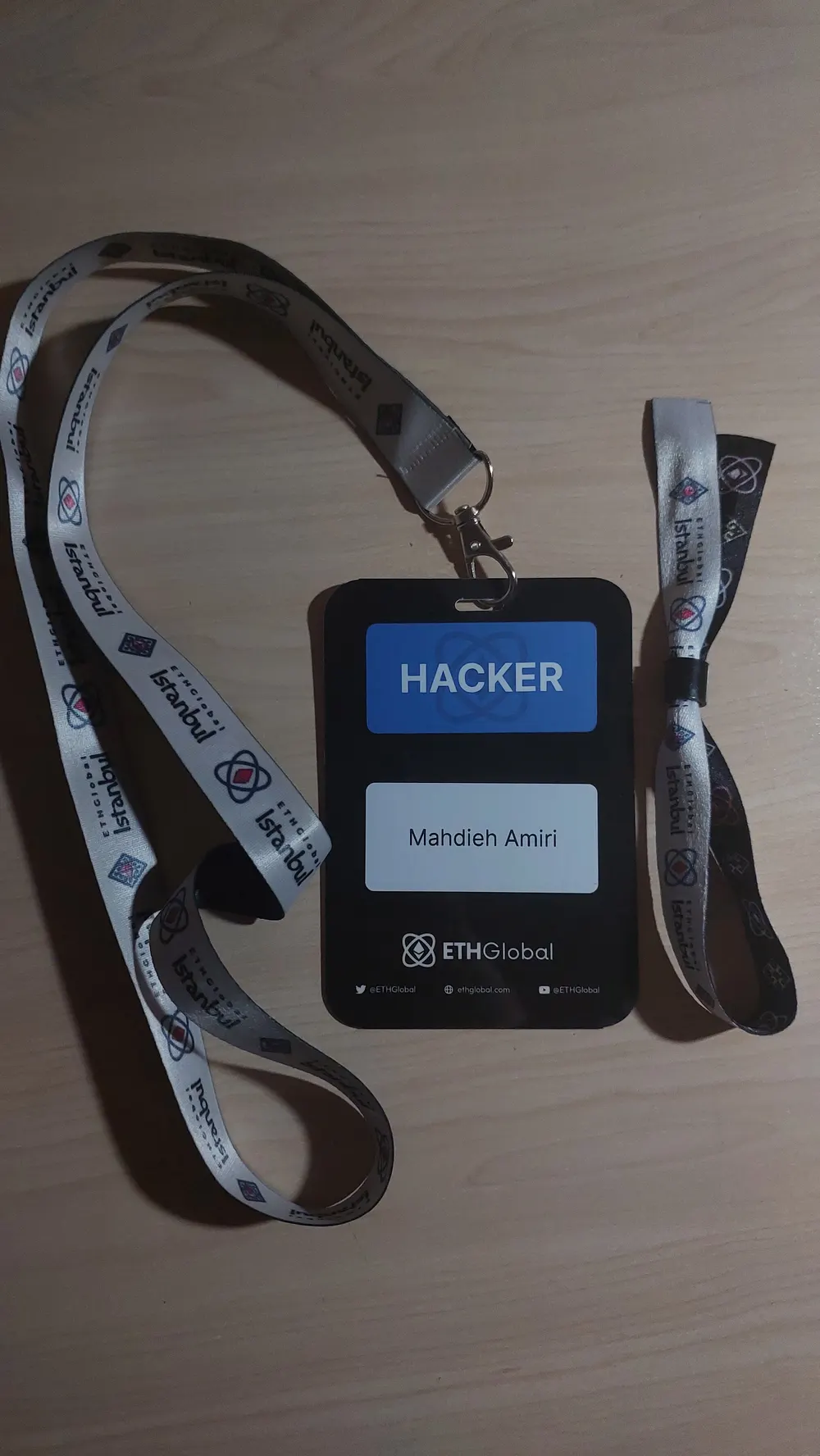
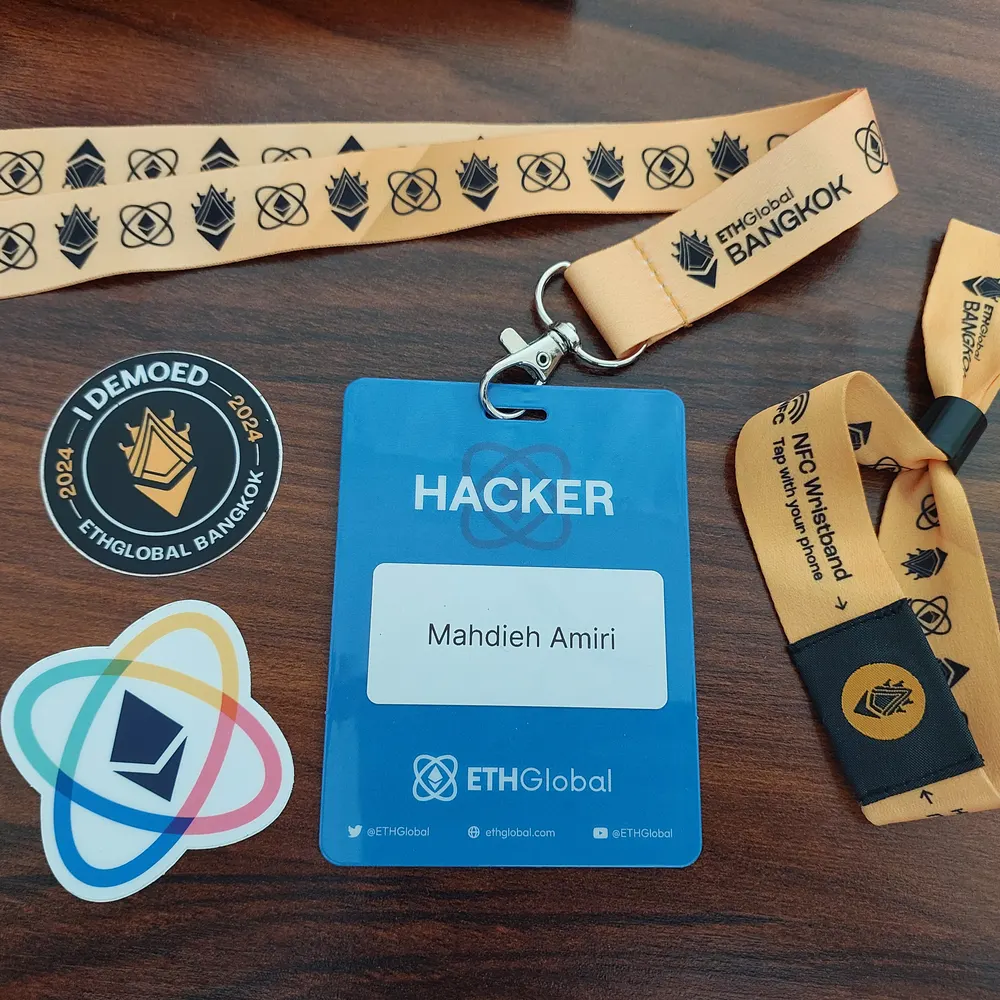
I've taken part in nearly ten hackathons, both virtual and in person, and most of them were organized by ETHGlobal. Three were in-person ETHGlobal events: Istanbul, Bangkok, and Buenos Aires. Our team won a modest prize at each of them, but the prizes are not what I remember most.

In this post, I've collected what I learned along the way: what a Web3 hackathon looks like from the inside, how to prepare, what seems to help projects win, and some practical details you may not find in the official guides.
Why Join a Hackathon?
People join hackathons for very different reasons, and almost all of them are valid. A hackathon is an accessible way to:
- Earn from your programming or building skills through prizes.
- Learn and test new tools by actually building with them.
- Turn an idea into an MVP in a few days.
- Test whether a business idea is worth pursuing by putting it in front of judges.
- Experience working in a team under real time pressure.
- Connect and talk with teams behind projects that are already big in the market.
For me, two things come back every time. The first is learning. A hackathon forces you to pick up a few new technologies or tools and build something with them, beyond knowing their names or a one-line description. That gives you a much better feel for what is actually happening on the technical side of crypto projects.
The second is people. When you spend a few days with a group, from finding an idea to building and shipping it, you quickly learn how they think, how they make decisions, and how they work when time is short. Some of my collaborations that are still going started exactly this way.
What an ETHGlobal Hackathon Looks Like
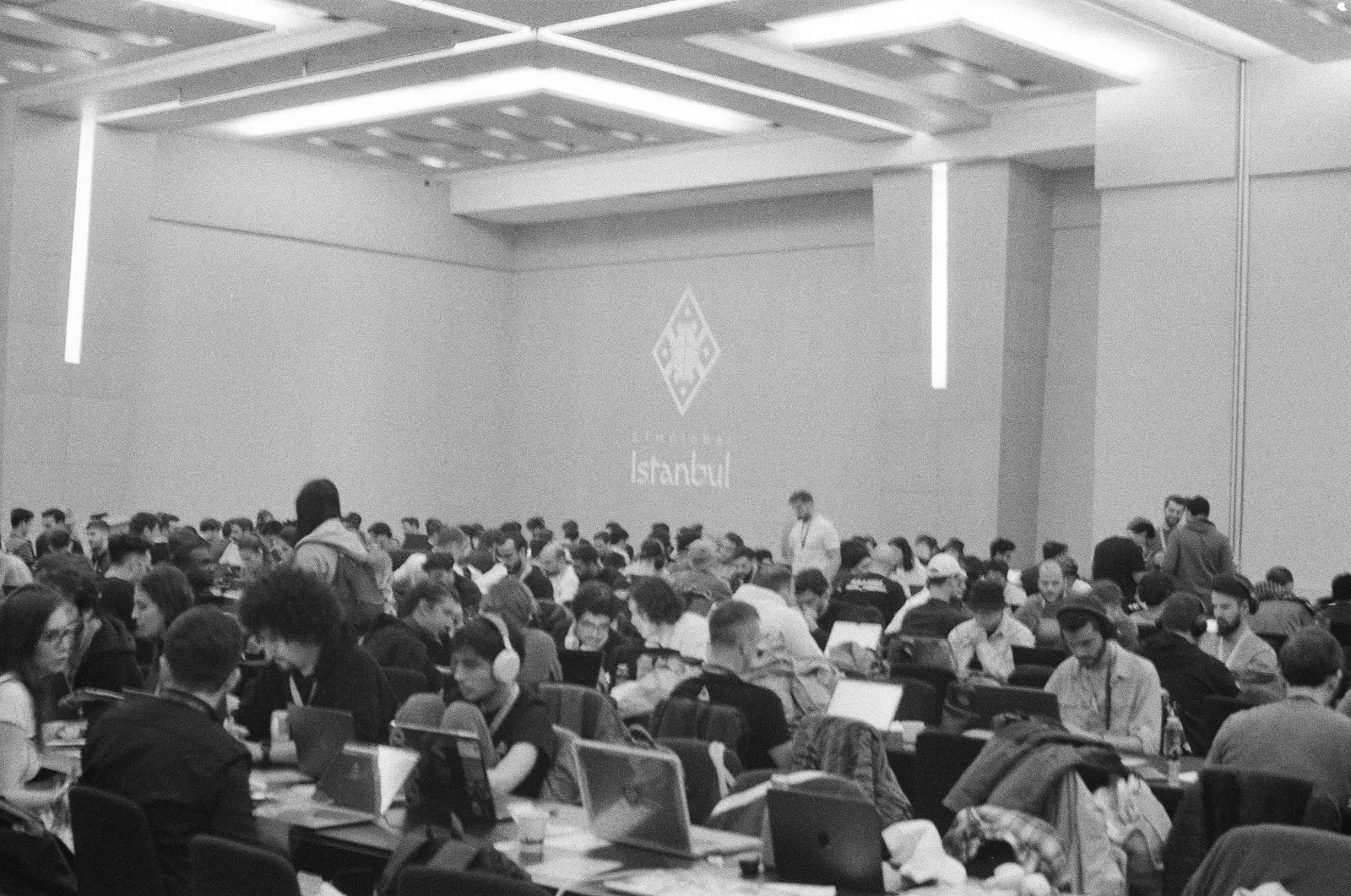
My first hackathon ever was ETHGlobal Istanbul in 2023, and that's where I understood the concept up close. Picture a hall full of desks and chairs for the hackers (that's what hackathon participants are called), surrounded by sponsor booths.

Sponsors are companies or projects that put up prizes. Each one defines tracks: what they'd like to see built, usually with their own tool. If you build something that fits a track and qualify, you can receive part of that sponsor's prize pool. Sponsors are typically teams with a tool you can use to build your idea: oracles, developer tools, specific SDKs, and so on.
At ETHGlobal, there are two kinds of prizes you can go for:
- Sponsor prizes. You choose which sponsor prizes to apply for when you submit, and each sponsor judges the projects that used its technology.
- Finalist prizes. Selected projects demo as finalists and compete for the main prizes of the event.
Prizes may arrive anywhere from a few days to a few weeks after the event.
Registration usually happens a few weeks before the event. You stake a small amount of ETH to confirm your spot, and it's returned after you submit a project (for in-person events, you also need to check in at the venue). In practice, that makes participating free. Check the rules (opens in a new tab) and the event's own guide for the exact conditions.
Choose the Right Hackathon and Format
Not every hackathon has the same goals, audience, or format. Some focus on a particular chain or technology; others bring together developers, designers, founders, and researchers around a broader set of problems. Before registering, look at the themes and tracks, the sponsors and the tools you'd build with, the format and duration, and the rules on team size and existing code.
Don't choose an event only because the prize pool looks attractive. A hackathon aligned with your interests can be valuable even if you don't win anything.
Virtual Hackathons
Online hackathons are easier to access. You don't need to travel or arrange accommodation, which makes them a good way to explore a new technology or try an idea in an international event without the costs. The trade-off is that communication takes more effort. Find teammates early, agree on availability and responsibilities, schedule short regular check-ins instead of relying only on chat, and keep the scope realistic if everyone is participating alongside work or studies.
In-Person Hackathons
In person, you share the same space, solve problems together, and meet people outside your team. At ETHGlobal Bangkok in 2024, my second in-person ETHGlobal hackathon, we had around 36 hours to build a project for multichain gas sponsorship through a subscription model. With that little time, prioritization is everything: what you build, what you can realistically finish, and what you're willing to leave out.

Build From Scratch or Continue an Existing Project?
For a long time, ETHGlobal hackathons only allowed projects built from scratch during the event. Recently, they added continuity tracks, such as Extend Open Source and Ship a Feature, where you can bring an existing project, live or not, and build something new on top of it during the event.
If you enter the From Scratch track, all work must start after the hackathon begins, and your commits should show that progress. Submissions with large single commits or missing history may be disqualified, because it can look like you're pushing a project you already had into a new repository. Commit and push regularly from the start. If you choose a continuity track, clearly separate what existed before from what you built during the event, and check whether that track is eligible for the sponsor prizes you want.

Suggested Read
How to Join a Web3 Open-Source Project and Contribute
Planning to extend an open-source project? Here is how to choose one, find an issue and open a good pull request.
Prepare Before the Event
Preparation doesn't mean building your project before the hackathon. It means removing avoidable friction so you can spend the event on the actual problem.
- Explore the sponsor tools. Read the documentation, try the SDKs, and understand what each tool is for. In Web3 you may run into unfamiliar protocols, account abstraction tools, interoperability infrastructure, or ZK systems. You don't need to master them, only to recognize which ones could help you.
- Prepare your environment. Install dependencies, check access to testnets and APIs, and run a small example of any new technology. Discovering installation or authentication problems during a 36-hour event is an expensive way to learn.
- Study past winners. ETHGlobal's Showcase (opens in a new tab) lists projects from previous hackathons, and they are public. Look at the finalists: read their descriptions, watch their demo videos, and browse their source code. You'll quickly see what kind of projects and demos tend to win, and what information you'll need to provide for your own submission.
- Bring a few problem areas, not a fixed idea. Look for a problem you understand, a user who would benefit, and a technical approach that fits the time.
Talk to Sponsors Before You Build
This is one of the most useful things I've learned, and I rarely see it in hackathon guides. Before you commit to an idea, talk to the teams of the sponsors whose prizes you want to apply for.
Ask them what exactly they need, and tell them exactly what you want to build. They'll either confirm that it fits or tell you what to change or improve. They also get to know your team, so during judging they already have context on your project.
At an in-person hackathon, you can often meet these people before the hackathon even starts, at side events around the conference. That's a great moment to explain your idea or learn about their needs without the pressure of the clock.
Build a Team, or Go Solo
You can participate solo. With today's AI tools, building an idea alone in a few days is far from impossible. Thoughtful use of AI is generally allowed at ETHGlobal hackathons, but the rules say AI should assist your development, not create the entire project, and you're expected to document where and how you used it. Read each event's rules carefully, and if something is unclear, ask their support team through email, Discord, or whatever channel they provide. Your own creativity in identifying the problem and designing the solution should be clearly visible.
If you want a team, there are a few good places to find one:
- Your own communities. Announce that you're going to a hackathon and say what skills you're looking for in a teammate.
- The DeCaffeth community. Our Telegram group (opens in a new tab) has a topic for hackathons, where you can hear about well-known hackathons that are coming up, form a team, or join one.
- The organizer's Discord. ETHGlobal and most other organizers have a dedicated space for team formation.
- The venue itself. At an in-person event, you can meet people face to face, talk, and form or join a team on the spot.
A good team doesn't need to be made of the most experienced developers in the room. What matters is that you share interest in the problem, have complementary skills, and can make decisions together. Agree early on who owns the contracts, the frontend, integration, and the presentation. And avoid spending half the event discussing ideas: pick a direction, start building, and revisit the scope once you have something concrete.
What Helps a Project Win
There's no formula, but from what I've seen, a few things make a real difference:
- A simple, clear idea. Solve a problem that isn't too complicated, and that judges can understand in a minute.
- Originality is optional. It's completely fine if solutions to that problem already exist. Even if your idea isn't new, a project that works and solves the problem well can be a strong candidate for a prize.
- A real use of the sponsor's technology. One clear, working integration beats superficial integrations with several tools.
- The smallest convincing version. One working contract instead of a full protocol, one end-to-end transaction instead of several user journeys, one chain instead of a multichain deployment.
- The riskiest part tested first. If your idea depends on an unfamiliar SDK or a difficult integration, try that part early instead of discovering near the deadline that it doesn't work.
If you're competing for a specific prize, read its judging criteria and make sure your project clearly addresses them.
Surviving an In-Person Hackathon
In-person ETHGlobal events come with their own small details that nobody really warns you about.
- Swag is a great distraction. The sponsor booths around the hall hand out a lot of swag. If you like collecting it, you can easily lose a few hours to it and forget about your project. One option is to have one teammate collect it for the whole team while the others focus. Another is to save it for your breaks. :)
- Food is covered. There are food stations open around the clock and full meals, often including local dishes from the host city. If you're vegan, you're asked about it in the registration form and special meals are prepared.


- You can stay overnight. Sleeping areas are provided, and many people code through the night.
- Wi-Fi isn't equally good everywhere. Look for a better spot early. Bring a USB cable so you can connect your phone's internet to your laptop if needed, because turning on a mobile hotspot interferes with the venue Wi-Fi.
- Talk to people beyond your team. Visit sponsor booths, ask mentors for feedback, and talk to other builders. Some of the most valuable conversations happen outside your project.
- Manage your energy. Take breaks, eat properly, and sleep when you can. You don't have to do everything.


Submission and Demo
Start your submission several hours before the deadline. The demo video in particular is very important and can take longer than you expect. In the last hour or two, many teams are uploading at the same time, and the internet can slow down right when you need it most.
Your demo should answer four questions:
- What problem are you solving?
- Who has this problem?
- How does your solution work?
- What makes your approach useful or different?
Show the product working whenever possible, and explain the technical decisions that matter without burying the main idea under implementation details. A prototype is allowed to be a prototype: be honest about what works, what is simulated, and what is still to be built.

After the Hackathon
If your idea has potential, the sponsors whose prizes you applied for may reach out and ask whether you want to continue. If you do, you can get technical support and mentoring from their team, and sometimes even a grant to keep building.
Whatever the result, a few steps help you keep the value:
- Write down what worked, what didn't, and what you'd change next time.
- Clean up your repository and document the parts worth keeping.
- Thank your teammates, mentors, and anyone who helped.
- Follow up with the people you had meaningful conversations with.
- Decide whether the project deserves further development or should stay an experiment.
Not every prototype needs to become a startup. Sometimes the best outcome is learning a new tool, testing an idea, or finding out that a problem isn't worth pursuing.
Final Thoughts
Maybe the most important thing I remember after every hackathon is that building something new doesn't always start with finding free time. Sometimes you have to set aside a few hours over a few days, right in the middle of everything else, and push yourself to take something from an idea to a result.
You don't need to be an expert to participate, and you don't need to win to benefit. The things I learn, the people I meet, and the experience of building something in a limited time are reasons enough for me to keep signing up, whether I win a prize or not.
And if you get the chance to attend one in person, don't spend the entire event looking at your laptop. Some of the most valuable parts happen when you look up.